In a real-world marketing environment, what are the key factors that ensure the multiplier effect of a “brand × performance” advertising strategy?
Strategy Built for a Non-Linear Purchase Journey
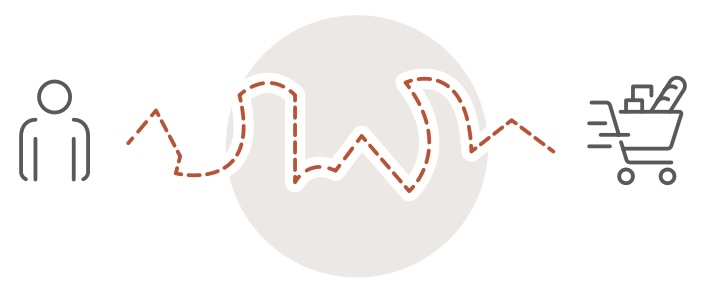
The messy middle in the Multiplier Effect Model is a critical phase where customers interact with brands through multiple touchpoints. Unlike the traditional linear purchase journey or funnel, today’s consumers follow a complex and non-linear path to purchase. Given this, brands must ensure that both brand advertising and performance advertising work together to guide potential customers into the in-market pool, ultimately nudging them toward a purchase.
Maintaining a Consistent Creative Message
To build consumer trust, performance ads should incorporate the key messaging of brand advertising, ensuring alignment and consistency across both strategies. For example, if a brand’s advertising highlights “innovative technology,” its performance ads should reinforce this theme while emphasizing the product’s unique selling points. While ad formats may vary depending on the platform, maintaining a cohesive brand identity and establishing a unified creative framework across all campaigns strengthens consumer confidence and enhances conversion rates.
Strengthening Internal Collaboration
Brand marketing and performance marketing teams often operate with distinct strategies and KPIs. However, when these teams work in silos, executing a cohesive “brand × performance” approach becomes challenging. To bridge this gap, both teams must align on the multiplier effect of brand advertising and organically share insights and data to optimize their performance. Additionally, they should establish a shared KPI framework and foster ongoing communication and collaboration with other teams to maintain consistency in brand messaging and ensure creative optimization across all marketing efforts.